Coffee is a fruit, and, like any other fruit, it goes through different stages of…
Sensorial Notes of Coffee
Understanding the Features
Just like wine, which has unique characteristics and different sensory notes depending on the grape used, coffee also expresses unique characteristics. These unique characteristics presented by specialty coffee are only possible when all the processes the coffee goes through are done in an exemplary way. Coffee is a fruit, when this fruit is harvested at the right point of maturation, has the post-harvest done correctly, is roasted well and packaged correctly, the taste presented in the cup will be fantastic. Some of the characteristics you can identify in specialty coffees are:
Aroma
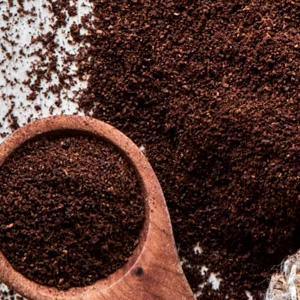
Aroma is an olfactory perception caused by the gases released from roasted and ground coffee. The aroma of dry coffee powder can remind you of fruits, chocolate, flowers, etc. It is important to note that our brain can only associate aromas that we have already smelled, so, we need to be aware of the aromas that we smell in our daily lives. In addition, these pleasant aromas are only possible to be felt in specialty coffees. Poorer quality coffees will have an intense unpleasant aroma. Generally, because they are extremely roasted coffees and with an inferior raw material, the aroma will remind you of burnt rubber.
Sweetness
It is a taste sensation perceived mainly on the tip of the tongue. When we talk about sweetness in specialty coffees, we are referring to the sweetness characteristic of ripe fruit, which is different from the sweetness of sugar, for example. When the coffee is harvested at the right point of maturation, the fruit will have a natural sweetness. Doing a good job of roasting, you will be able to feel that sweetness when drinking your coffee.
Acidity
Acidity is a sensory characteristic or basic taste, which is normally perceived on the side of the tongue. There are different types of acidity. For example, malic acidity, which is possible to be found in apples, citric acidity which is possible to be found in lemons, oranges, lactic acidity which is possible to be found in yogurts. However, there is also undesirable acidity to be found in coffee. For example, acetic acidity which is found in vinegar.
Body
The body is the sensation of contact of the ingested liquid with our tongue. Also characterized as the tactile perception of oiliness, viscosity of the liquid in the mouth. For example, when we ingest water, the sensation of liquid contact with the tongue is light. On the other hand, when we ingest a yogurt, the sensation of the liquid contact with the tongue is dense.
The body characteristic is provided by the lipids, proteins, carbohydrates, which are present in the drink. It is important not to confuse full-bodied coffee with strong coffee, which is usually linked to a very dark and burnt roast, which brings bitterness and a smoky taste to the drink.
Flavour
Flavour is the result of the complex association of taste, aroma and chemical tactile sensations. It is a sensation caused by the chemical compounds in the coffee drink when introduced into the mouth. Generally, the flavour is intense and pleasant in the best quality coffees and presents notes that refer to flowers, chocolates, nuts, chestnuts and fruits, such as lemon, apple and pineapple.
Finishing
Also called aftertaste, it is the flavour that remains on the palate after drinking. It can be intense and pleasant in specialty coffees. More than that, a special coffee with a pleasant finish stimulates the desire to have another cup because it is very pleasant. In other words, a delicious finish is one that leaves a pleasant and striking sweetness in the mouth.
After learning about all this, be sure to notice aromas, flavours, acidity, in your experiences with food and drink. Our brain is very good at associating things we have already experienced. But for this to be possible, we have to pay attention to memorize everything.
Reference: Coffee and Joy Blog (Coffee & Joy (coffeeandjoy.com.br)